
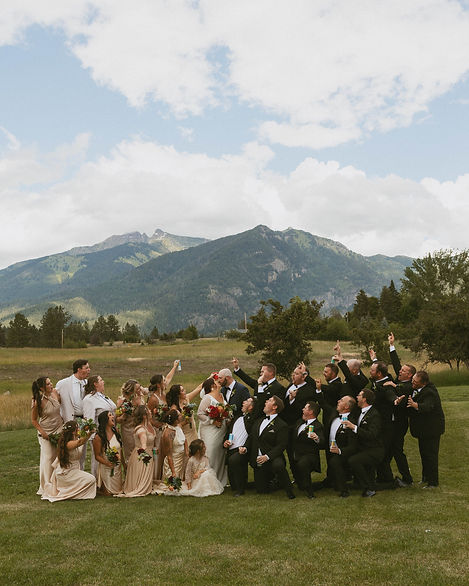


The Flathead Valley
The Flathead Valley area is a stunning destination known its breathtaking natural beauty and outdoor opportunities. Nestled between the majestic mountains and pristine lakes, it offers activities such as hiking, fishing, and skiing. Visitors can explore nearby attractions like Glacier National and Flathead Lake, making it a perfect spot for adventure seekers and nature lovers alike. With charming towns and a vibrant community, the Flathead Valley is truly a hidden gem worth discovering.
Must Visit Spots in Mission Valley
Qalispé
St. Ignatius Mission
Discover the beauty of the Mission Mountains while staying at our event venue. Enjoy invigorating hikes and explore the stunning landscapes that surround you. Whether you're adventure or a peaceful retreat, our location offers the perfect backdrop for your experience.
Flathead and McDonald Lakes
Guests can explore the stunning Mission Mountains or "Snyelmn M’qʷmo’qʷ" in Salish while hiking or relaxing at our venue. This area is culturally significant to Indigenous tribes, who have cherished these lands for generations. Experience a meaningful connection with the history and traditions of the Native peoples during your stay
Bison Range
Discover the significance of bison, or "Q̓ʷeyq̓͏ʷay" in Salish culture at the Bison Range. This majestic animal holds great importance in Native American history, symbolizing strength and resilience. Join us to explore the stories and traditions that celebrate the connection between the Salish people and these magnificent creatures.
Buddha Gardens
Escape to tranquility during your stay at our event venue by taking a trip down to serene Buddha Gardens. Immerse yourself in the lush landscapes and calming atmosphere, where you can unwind and reflect amidst nature’s beauty. It's the perfect way to your experience and find peace in the midst of your busy schedule.
Tribal Permit
Non-members must purchase a Confederated Salish and Kootenai Tribes (CSKT) Conservation Permit to fish, hike, or recreate on Tribal lands within the Flathead Reservation. Permits are required for activities like hiking, fishing, or camping for non-members and for short-term passes.
You can purchase a pass through Montana Fish, Wildlife and Parks.
Salish and Kootenai Nations
"Séliš" and "Ksanka" Nations
The Flathead Indian Reservation is home to the Bitterroot Salish, Upper Pend d'Oreille, and Kootenai Tribes. Traditionally, these Tribes' homelands encompassed all of western Montana and extended into present-day Idaho, British Columbia, and Wyoming. The Hellgate Treaty of 1855 established the Flathead Indian Reservation. However, beginning with the federal allotment era in 1904, more than half a million acres of Tribal land passed out of Tribal ownership.
For countless generations, the Tribal people developed sustainable subsistence practices through careful observation, experience, and a deep spiritual relationship with the natural world. This knowledge—passed from one generation to the next—was closely connected to the seasons, the landscape, and the plants and animals that sustained life. Rich oral traditions and cultural teachings emphasized respect for the land and all living things, recognizing the interconnectedness of people and nature.
Today, these traditions remain a vital part of Tribal identity. Elders continue to share their knowledge, language, and cultural practices with younger generations, ensuring that the values, history, and stewardship of the Bitterroot Salish, Upper Pend d'Oreille, and Kootenai peoples endure for generations to come.


